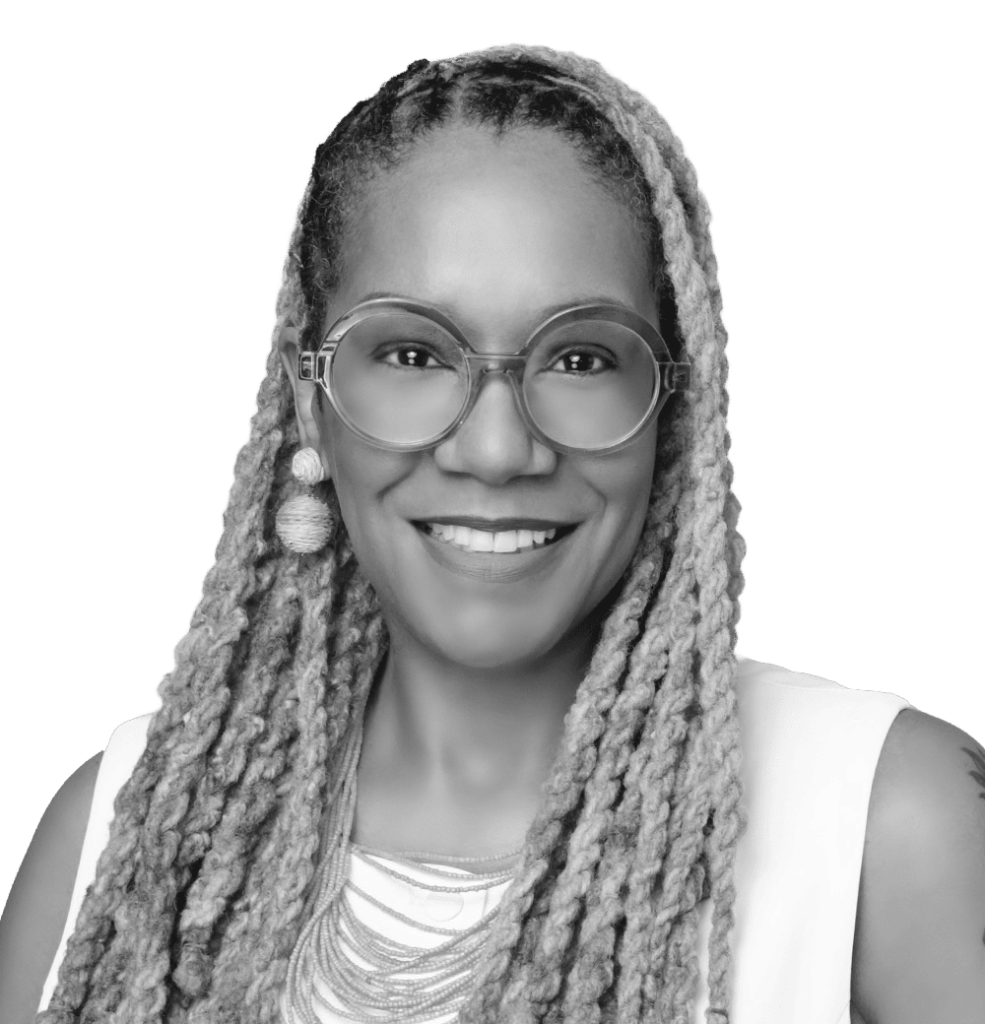
Doors open, tiny backpacks shuffle in, educators trade a nod that signals intent. Inside that daily cadence, Angela Briggs-Paige, chief people officer, turns people strategy into learning outcomes for Acelero Inc., which designs and delivers research-based early childhood education shaped by the aspirations and cultures of the communities it serves.
Policies, processes and metrics matter, yet they gain force only when purpose becomes felt. Briggs-Paige translates complexity into plain language so plans make sense at arrival, in the lunch line and during closing time. Hiring aligns with values and skill. Development maps real milestones. Feedback carries respect without losing clarity.
Recognition affirms that approach. Named a Titan 100 Honoree, Briggs-Paige demonstrates leadership that uses human resources to drive both performance and equity. The distinction reflects practice seen in centers where expectations hold steady and people feel supported to give their best effort.
Progress over recent years came from structure that travels. Acelero refined site playbooks, strengthened role definition and raised the bar for coaching. Routines became simple enough to repeat and sturdy enough to scale. Families now meet consistent experiences, and staff move with confidence because next steps are visible.
The workplace she shapes prizes curiosity with accountability. Leaders learn to turn data into action without drowning morale. Training evolves with local needs. Benefits and communication protect energy so attention lasts through demanding seasons. Technology clears pathways rather than creating noise, which keeps focus on relationships that lift learning.
Fuel for this pace is renewed on purpose. Briggs-Paige stays close to the front line, listens, then converts what she hears into cleaner systems that remove friction. Reflection after major pushes resets priorities. Small rituals keep perspective intact so the important tasks claim the best hours.
If she could instantly master one capability, it would be storytelling that moves people to act. For Briggs-Paige, a well-shaped account makes the invisible visible. It bridges policy to purpose and turns abstract targets into moments that stick. A single narrative can shift a mindset faster than slides ever could because it anchors the why in human experience.
Origin explains method. Along the path to the chief people officer seat, Briggs-Paige watched promising missions stall when belonging was thin or when accountability had no form. In response, she built mechanisms that keep both present: selection that prizes fit and competence, coaching that grows capacity, reviews that focus on improvement, care that preserves dignity.
The vision remains straightforward and demanding at once. Every child should encounter adults who are equipped to do excellent work. Every colleague should encounter a culture that builds capability. Briggs-Paige will keep refining leaders, strengthening pathways and aligning resources to that aim. She measures success in quiet signals that add up over time, like a teacher who earns a credential and mentors peers, a family welcomed without delay, a site that lifts results through shared practice.